The key point
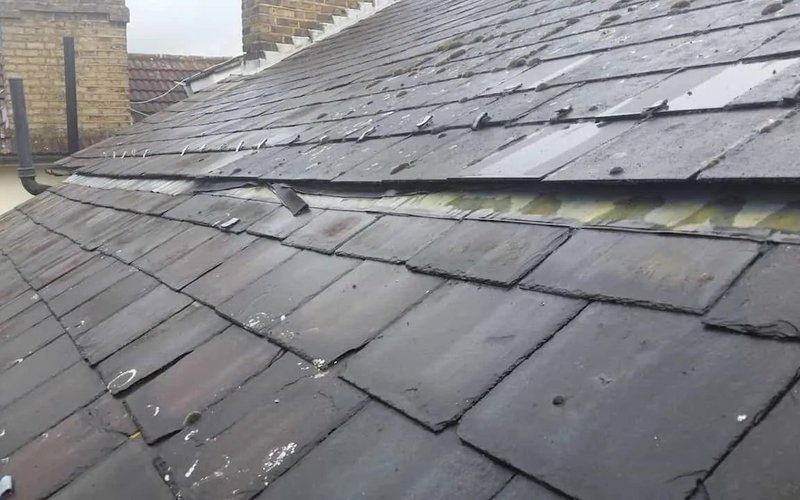
Do not climb onto the roof. Note where the tile appears to be missing, photograph it from a safe location and check indoors for water marks. Contact a roofer for an assessment, especially after wind or rain.
Why one slipped tile can matter
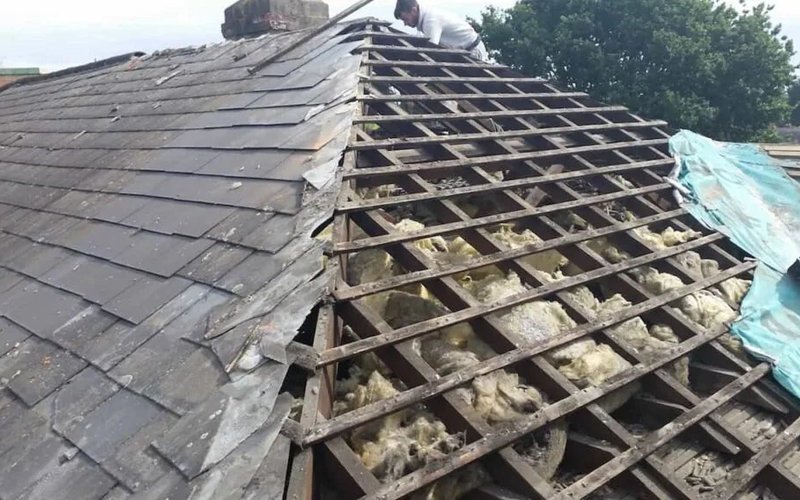
A roof covering sheds rain as a system. Where a tile has slipped, surrounding tiles may still keep out some rain; in other circumstances, the defect may expose the underlay, battens or an adjacent junction. A photograph alone will not confirm how far water has travelled.
Historic England explains that displaced or broken coverings, including slates, may be repairable without stripping a whole roof, provided the wider condition is sound. [1]
How to make a safe initial check
From the pavement or garden, identify the roof slope and approximate position of the gap. Look for displaced tiles in a gutter or on the ground, but do not stand under loose materials. Photograph the roof from several positions if it can be done without leaning out of windows.
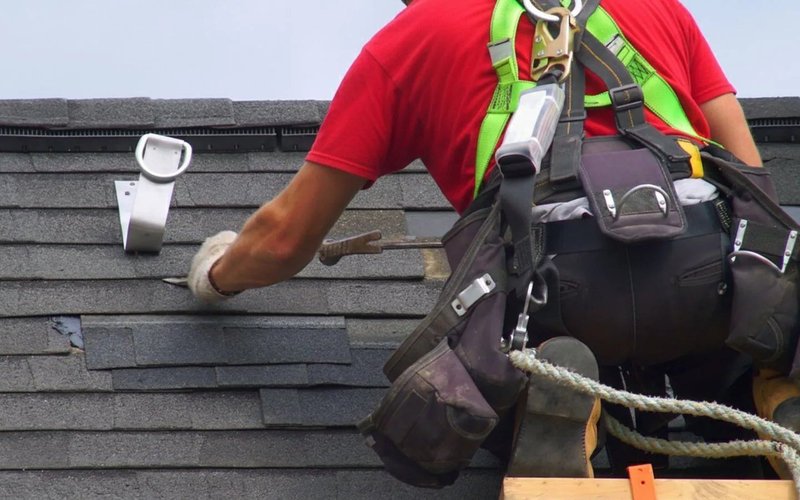
Indoors, record any fresh ceiling stains, damp timber or repeated dripping. A loft should be entered only if it is safe, accessible and has appropriate boarding; do not walk between joists. HSE advises proper control of falls for roof work. [2]
Repairing a single tile or inspecting further
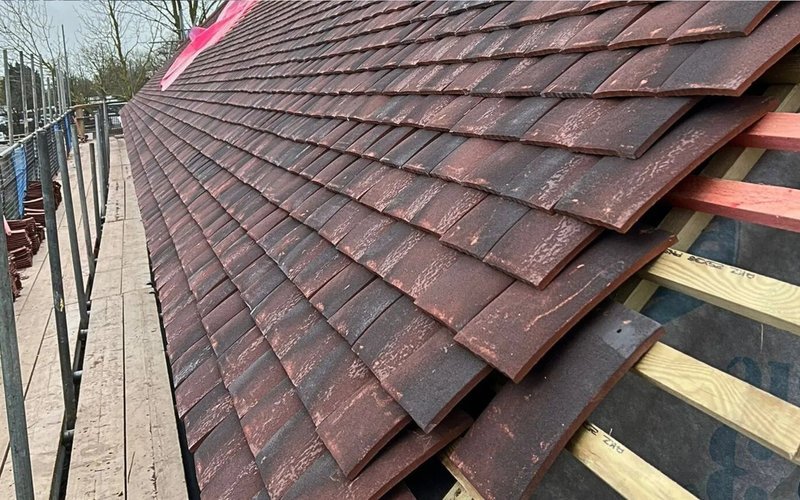
A competent roofer may be able to re-fix or replace isolated tiles. The quotation should identify what is being replaced, whether adjacent coverings and fixings are sound, and any access or scaffolding required. It should also clarify how an appropriate tile or slate will be matched.
Repeated slipping over a large area may indicate a separate problem, such as deteriorated fixings or battens, rather than an isolated broken tile. For older roofs, Historic England recommends retaining sound historic material where practical. [1]
What to send with an enquiry
Provide your postcode, whether the affected roof is pitched or flat, how many tiles appear affected, when you first noticed the problem and whether water is coming in. Say if there was a recent storm or building work. A ground-level photograph with the full roof visible is often more useful than an unexplained close-up.
For immediate water ingress, see our roof leak response guide. You can also read about checks after severe weather or request a roof repair assessment.
Sources & further reading
Guidance links supplied with the articles; important rules should be reconfirmed for your property. These sources support the linked factual points; they do not endorse Roofcare London or replace an assessment of your property.
Discuss the work your property needs
Explore the relevant roofing service, or describe the address and problem in the enquiry form below.
Request a roofing quotation