The key point
Look for the pattern: widespread moisture on cold surfaces and mould can suggest condensation, while a local stain after rain can suggest water penetration. Neither pattern proves the cause without a proper assessment.
Why moisture collects in roof spaces
Warm, moist air from the home can reach colder parts of the roof and condense. Loft insulation, air leakage and ventilation all influence this. The NHBC explains why ventilation should not be blocked and why domestic moisture needs to be controlled. [1]
Condensation is not limited to new buildings; however, older building fabrics and ventilated roof types need particular care. An apparently straightforward insulation change may alter moisture movement.
Condensation or rainwater ingress?
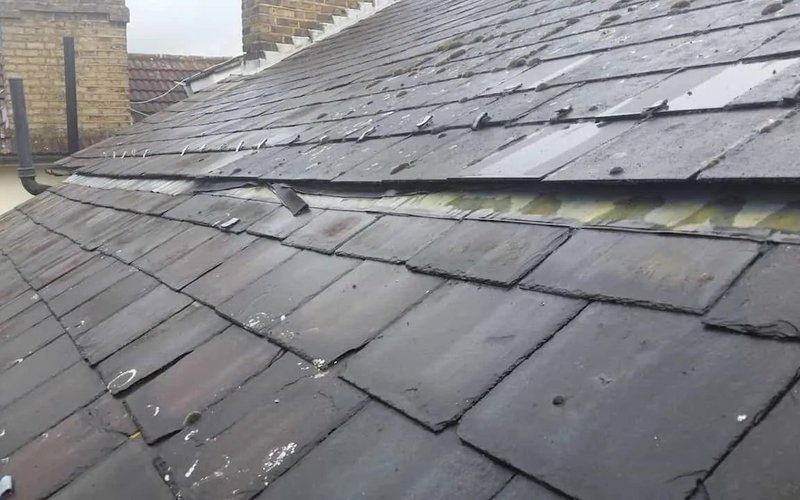
Condensation may show as droplets across underlay, damp timber at cold spots or mould forming over time. Rain penetration may appear closer to a damaged tile, chimney or roof-window junction and worsen during specific storms. Mixed causes are possible, and water can travel along timber before becoming visible.
SPAB explains that diagnosing rain penetration requires identifying faults such as damaged coverings, defective flashings and overflowing rainwater goods. [2]
What to check without disturbing the roof
Only inspect a loft where it is safe to do so, keeping to secure boarding and away from electrical hazards. Record weather, room use, condensation on windows and whether vents or eaves appear obstructed from safe viewpoints. Do not cut openings or remove insulation as an improvised fix.
Where you suspect a leak or structural problem, ask an appropriate professional to assess the roof before modifying ventilation or applying treatments.
Choosing the next step
Describe where moisture appears, whether it correlates with cold mornings or rainfall and which rooms lie below. The response may involve a ventilation or insulation specialist, a surveyor or a roofer, depending on the cause.
Read the more detailed leak versus condensation guide and roof flashing guide. For weather-related defects, see roof repair enquiries.
Sources & further reading
Guidance links supplied with the articles; important rules should be reconfirmed for your property. These sources support the linked factual points; they do not endorse Roofcare London or replace an assessment of your property.
Discuss the work your property needs
Explore the relevant roofing service, or describe the address and problem in the enquiry form below.
Request a roofing quotation