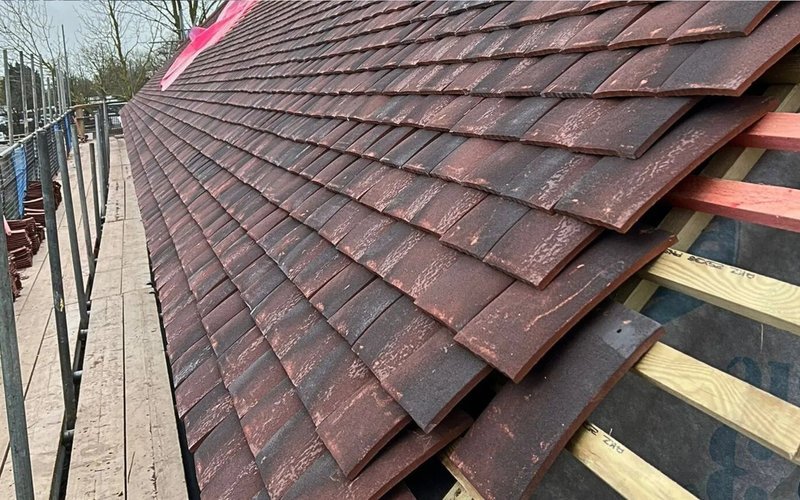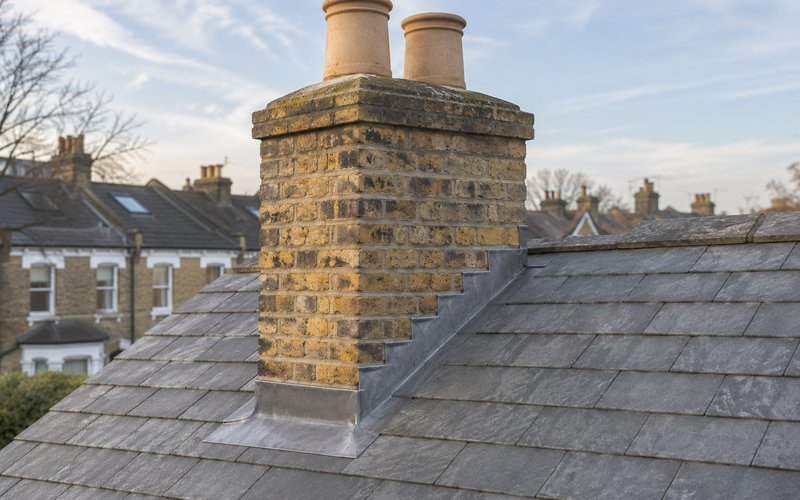
For an active roof leak or storm damage, call Roofcare London on 020 8485 9639 to check attendance in your area. Start with the postcode, what is happening now and whether loose material is above a doorway or public path. We can then discuss the urgency, the access available and what can practically be done in the conditions. You do not need a photograph from the roof, and you should never climb up to get one.
If a ceiling is bulging, keep everyone out of the affected area. If water is reaching a light fitting, socket or appliance, stay clear of the wet electrics and arrange qualified electrical help. Call 999 if someone is in immediate danger. Our emergency roof repair service deals with the damaged roof. On the first call, tell us about any danger inside or below it so that the next steps take account of everyone at the property.
What to say when you ring
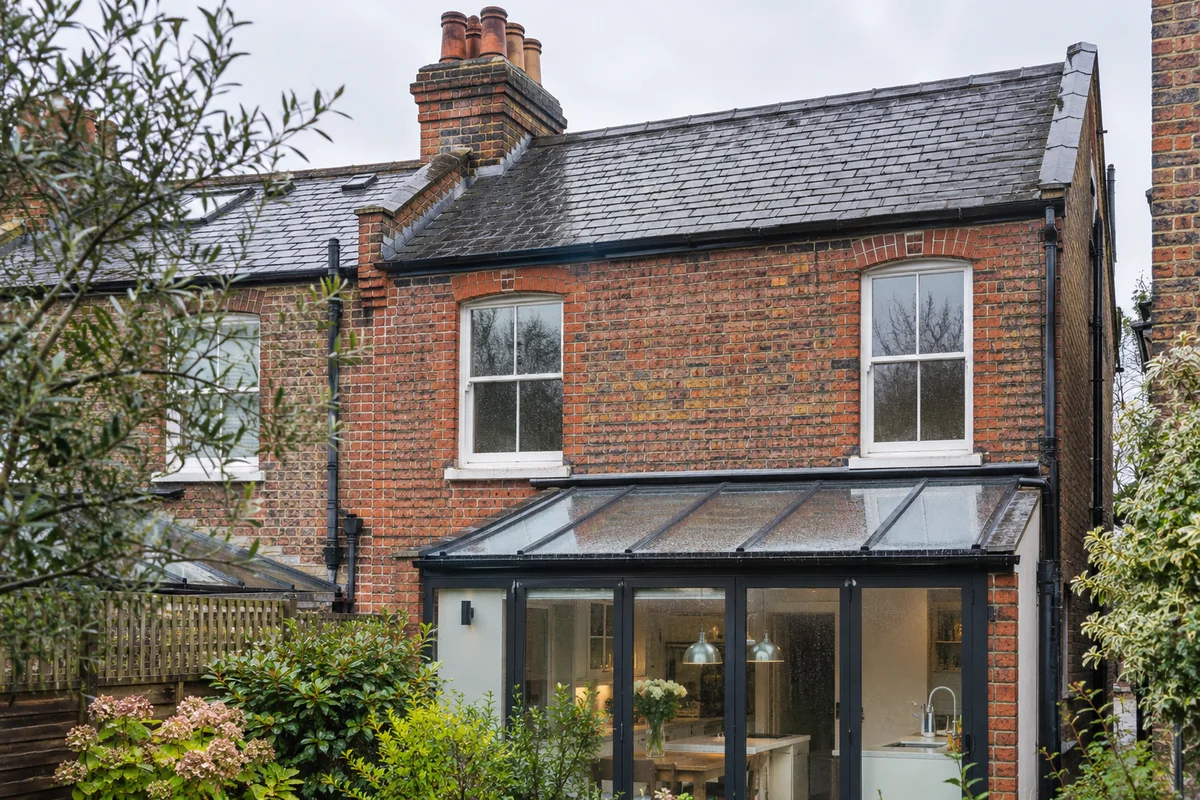
“The rear bedroom ceiling is dripping, it started during this afternoon’s rain, and there is a glass kitchen roof below that slope.” A description like that gives us the location of the damage, whether it is active and something important about access. It is much more useful than trying to choose between a slipped tile and a flashing fault from the colour of the mark.
If pieces have landed outside, tell us where. A fragment on an empty patch of garden presents a different situation from a loose tile hanging above the only entrance to a block of flats. Keep people away from the area below loose material. Where several households share the entrance, let the person responsible for the building know what is happening. Never stand under a damaged edge to see whether more of it is moving.
You can also tell us about things that make the visit easier to arrange. Is there a locked gate between the street and the back of the house? Who can provide access to the upper flat? Is the loft a bedroom with a finished ceiling, or is there a hatch in the landing? If the caller is a landlord or managing agent, give us a contact for the person actually at the property and agree who can authorise urgent work.
What an emergency roofing visit can achieve
The first task is to assess the damage from positions that can be reached safely. On some roofs a particular defect is clear, the right materials are available and the permanent repair can be carried out during the visit. A localised opening where a tile has moved is a different undertaking from a section of ridge displaced across several houses. Until the location and condition are known, the sensible way to describe the work is by its purpose.
Sometimes the immediate purpose is to make a loose part safe or limit rain entering an exposed section. The lasting repair may need scaffolding, matching materials, or daylight and calmer weather to reach the damage. Temporary protection means a measure taken to manage the immediate problem while the full repair is arranged. If that is the work proposed, ask which area it protects and what needs to happen before it can be replaced with a permanent detail.
It is possible for access to be the limiting factor even when you can see the defect clearly. A missing tile on a rear slope over a conservatory may be visible from the bedroom window yet difficult to reach safely from outside. Strong winds can also make a temporary covering unsafe to handle or secure. We discuss the practical options for the property and current conditions. A promised arrival time would mean little if the team could not safely reach the damage once there.
Missing tiles after wind damage
After strong winds, a tile can crack in place or come off the roof entirely. A tile may have fallen from the main slope, a ridge cap may have slipped down onto otherwise sound tiles, or a section beside a chimney may have been disturbed. During assessment it matters where the piece started and where it landed. Impact lower down can create another opening that is harder to spot than the gap against the skyline.
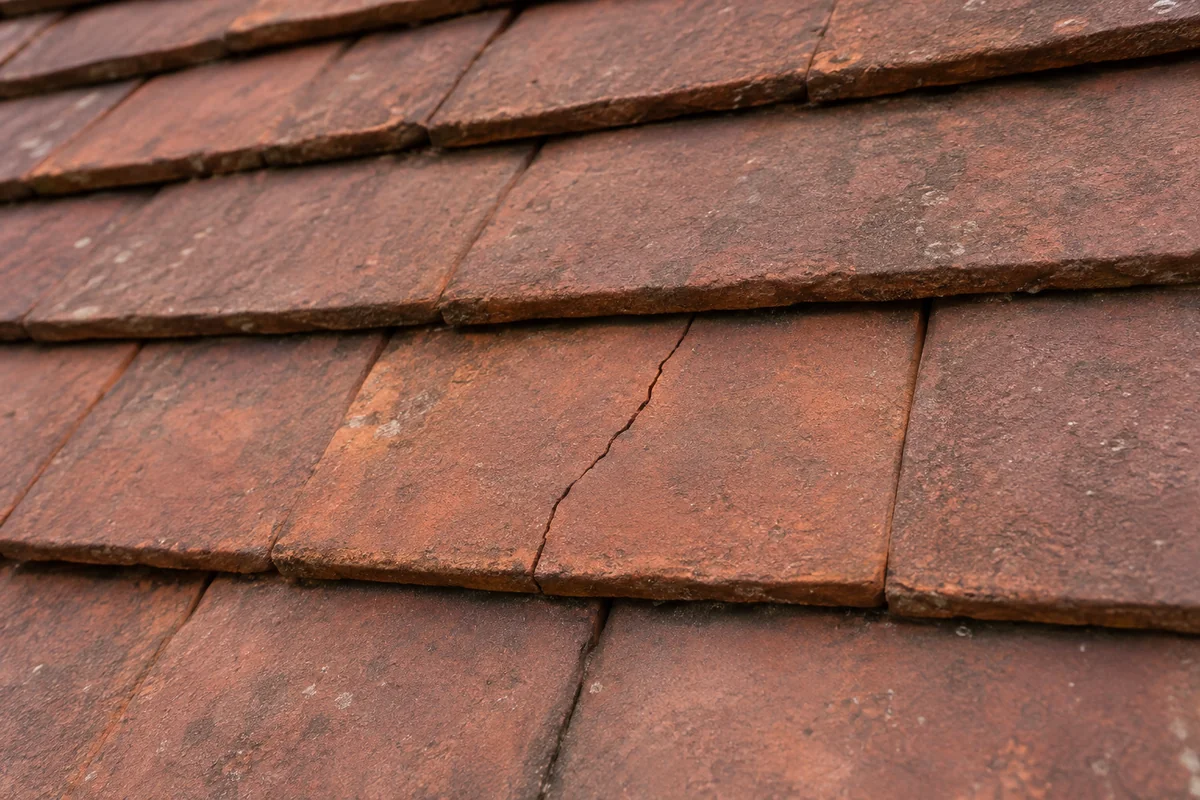
We look at the area immediately around the obvious damage as access allows. Are adjacent tiles still seated correctly? Has the material beneath them been exposed or torn? Is the affected area confined to one slope? An intact-looking patch below a missing ridge tile may still need attention where the tile struck it. These observations determine whether replacing a single piece is likely to complete the repair or whether a wider area needs attention.
If you can see daylight where there was none before, mention which room you were in when you noticed it. There is no need to go into a dark, wet or unboarded loft to look for more openings. A ground-level image showing the affected side of the house is enough to help us plan a visit. Our roof repair gallery shows some of the roof details that may be involved once safe access is available.
An urgent leak with no visible damage outside
Quite often the first sign is water indoors while the roof still looks complete from the street. Rain can enter beside a chimney, a wall or a roof window and travel before dripping into a room. Give us the timing as well as the position. A leak that starts immediately in wind-driven rain is a different clue from water appearing late in a prolonged downpour. Neither pattern by itself proves which part has failed.
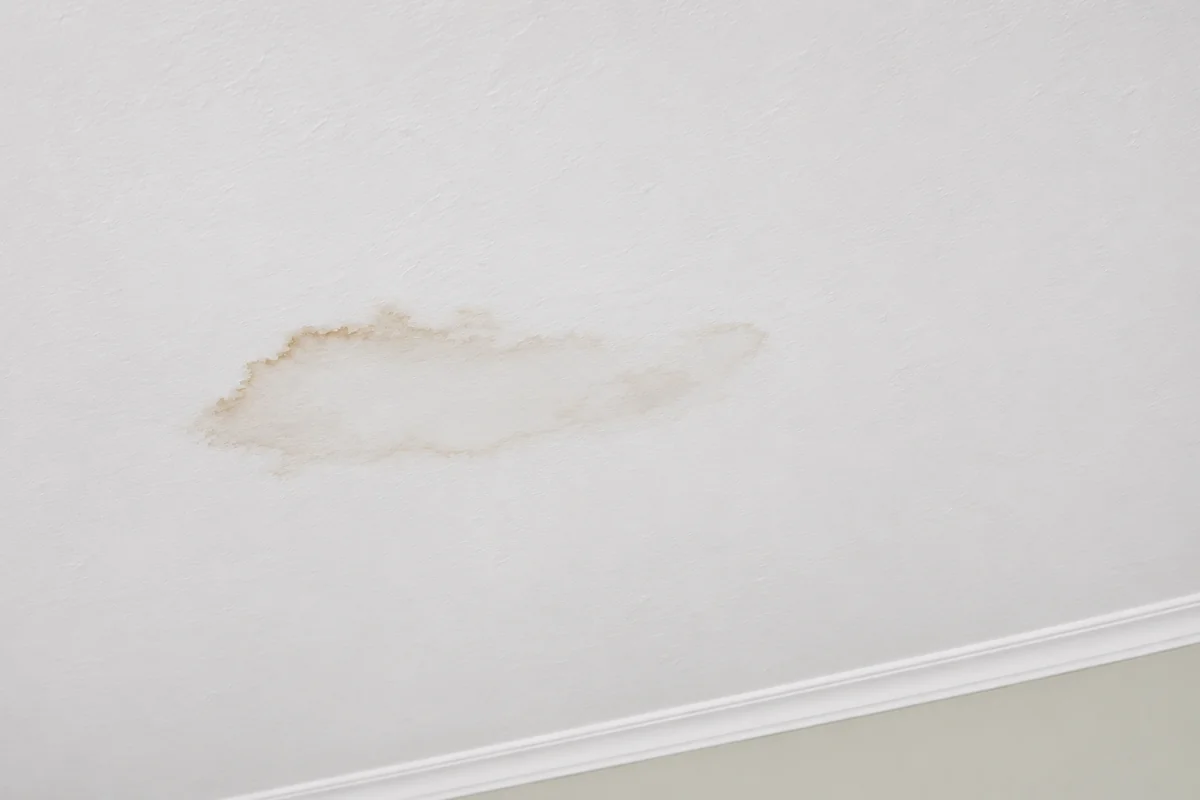
On a flat-roofed extension, water around a lantern might come from the frame, its raised base or the waterproofing beside it. A soaked ceiling at the garden end might coincide with a gutter overflowing back against the edge. If water is actively entering the room, call rather than waiting for the forecast to improve so you can take a clearer photograph. Tell us whether it is a steady drip, a spreading wet area or water running down a wall.
Water indoors during dry weather deserves a different line of enquiry. If it comes on when an upstairs shower is used, or if there is a tank or pipe directly above, tell us. You may need a plumber or another trade alongside or instead of a roofer. Establishing that connection early can avoid losing time while the wrong part of the building is being investigated.
From making the roof safe to a permanent repair
Before the first visit ends, you need to know which part of the problem has been dealt with. Has a loose tile been removed from above the entrance? Has an exposed section been given temporary weather protection? Has the damaged covering actually been reinstated and the junction completed? These are three different outcomes. Ask for the location in terms you will recognise from the ground or the room below it.
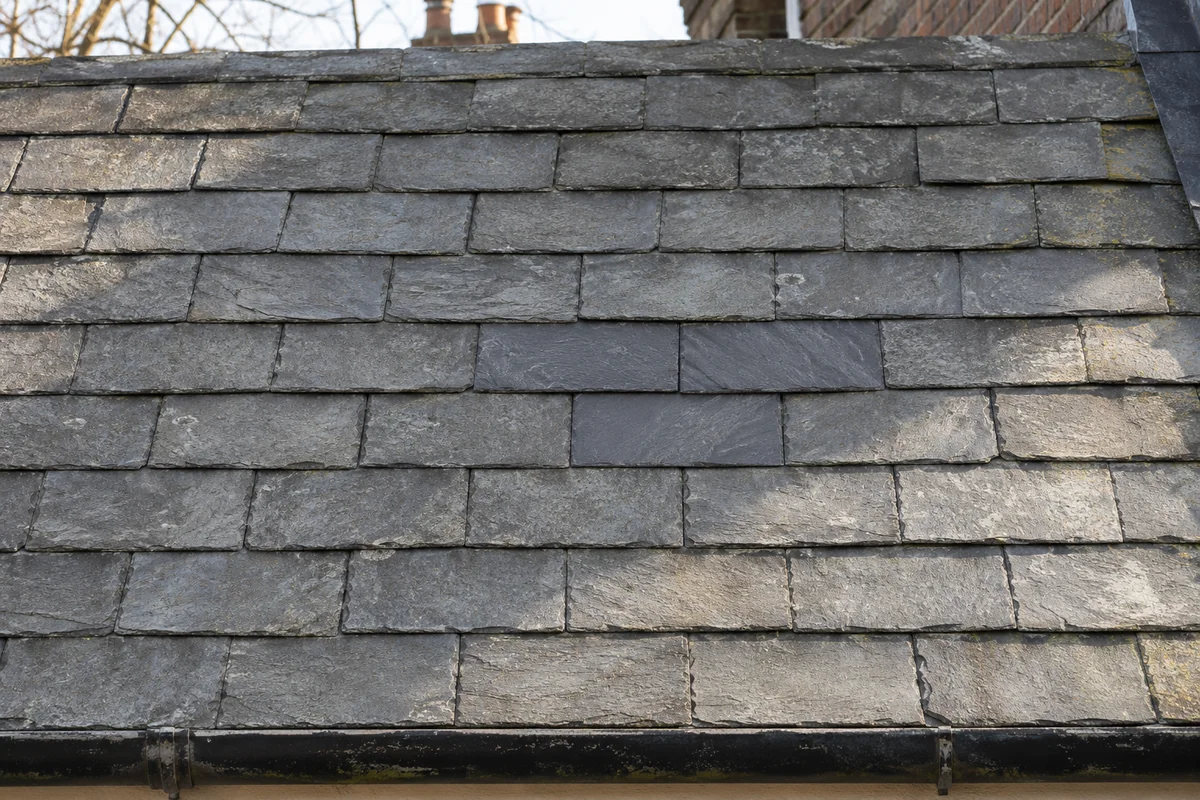
For the follow-up work, we can discuss the permanent detail and any access or materials it requires. A broken clay tile on an older slope may need matching in profile so it sits properly beside the pieces that remain. Damaged flashing around a chimney needs a sound connection with both surfaces. A patch that dealt with a night of rain may need removing to see what happened beneath it.
Households sometimes notice one room becoming dry while a second develops a mark. Tell us which room changed and when. Residual moisture can remain after the entry point is closed, but a new flow during subsequent rain deserves attention. A pair of dated photographs taken from the same spot can show whether the mark is shrinking, spreading or staying fixed. That record helps us distinguish drying finishes from signs of continuing ingress.
When the building has more than one owner or occupier
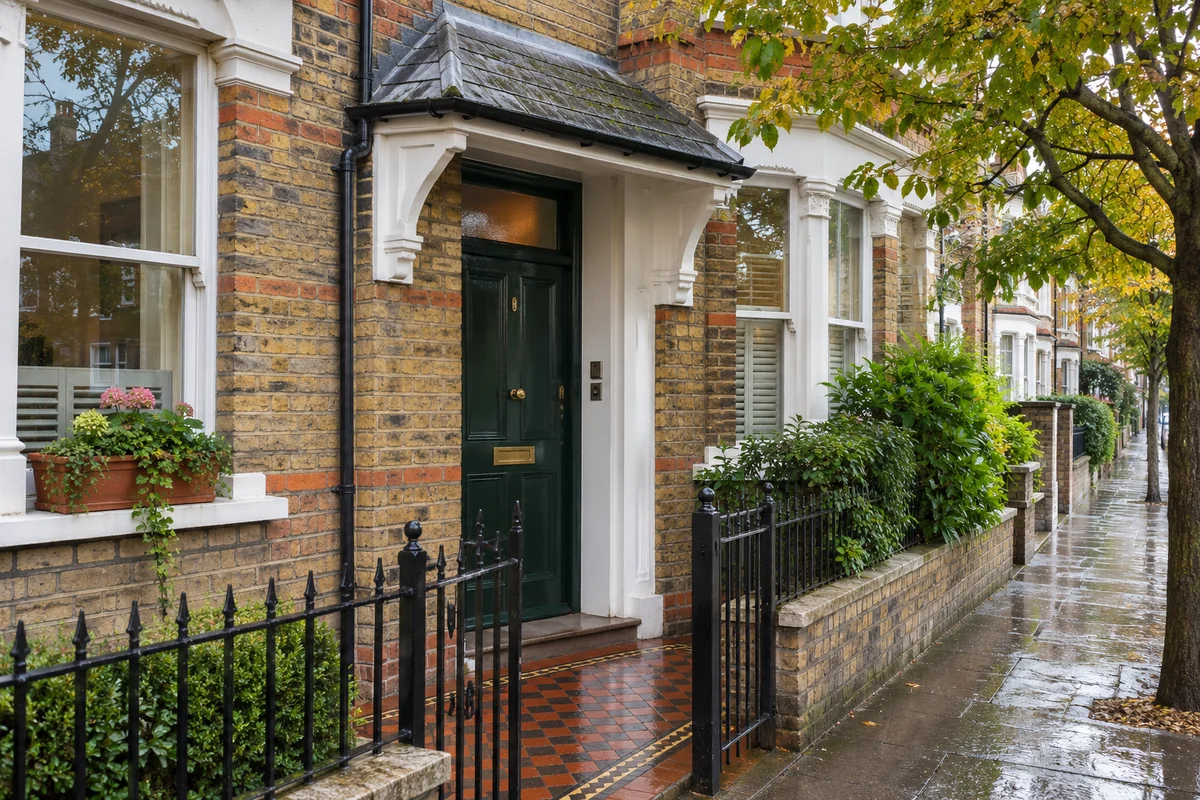
In a converted terrace or a small block, the person whose ceiling is leaking may have no access to the shared roof. If you are the occupier, notify whoever manages the building as well as reporting any immediate danger. If you are arranging the roofer, check that someone can open the affected flat and any communal areas required. An entry code for the main door is little use if the water is coming through a locked top-floor room.
Where another contractor has recently worked on the roof, any description or photographs of that area can help establish what is already known. Keep a record of what you discovered, when the leak started and what emergency action was taken. If you intend to contact an insurer, check its own reporting and evidence requirements. Emergency attendance, responsibility for the repair and an insurer’s decision are separate matters, and we can discuss the roofing work itself.
Contact Roofcare London for urgent roof damage
We handle enquiries for emergency roof repairs in London, including Surbiton, Kingston upon Thames, Hammersmith, Fulham and the surrounding London area. If water is coming in now or something is loose above an occupied route, call 020 8485 9639 and describe that risk first. Attendance depends on your location, conditions and availability. Let us know if the situation changes between the call and the visit.
If the immediate leak has stopped but the roof is still damaged, you can also send a roof repair enquiry. Include the postcode, the room affected, any safe ground-level photographs and what temporary work has already taken place. We can then discuss an inspection and how to repair the damaged section and remove any temporary covering.